Introduction: The Rise of Digital Competition
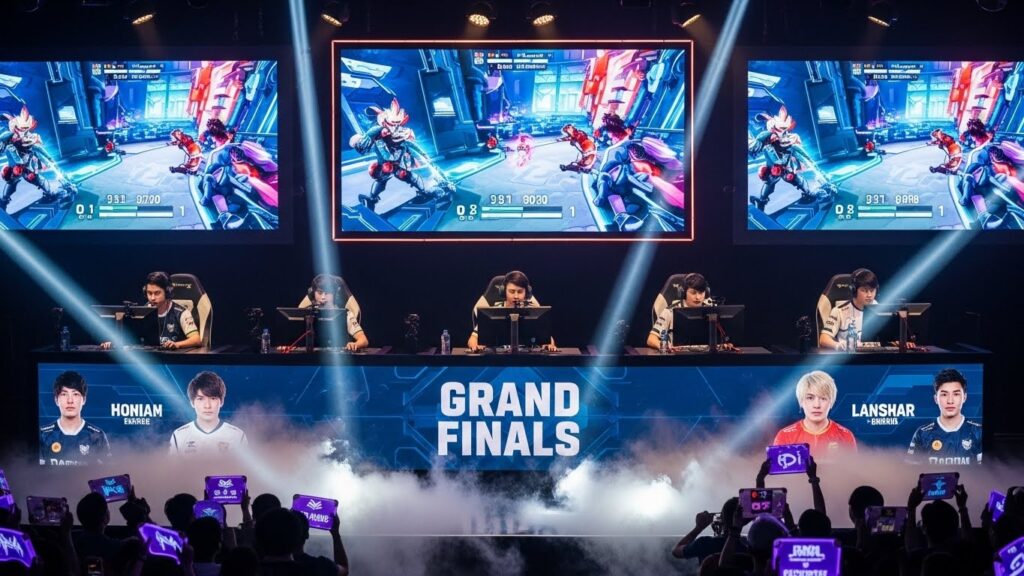
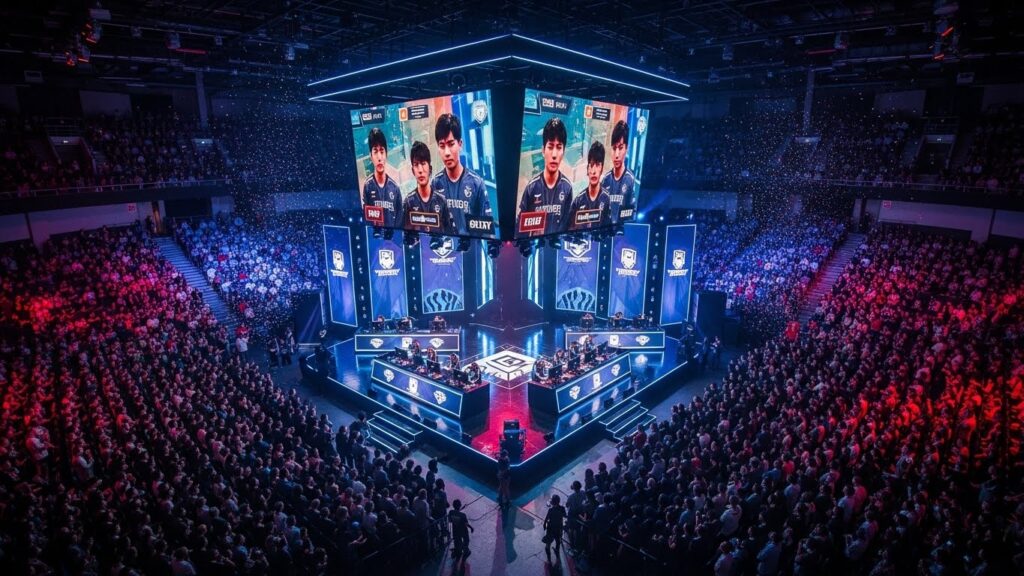
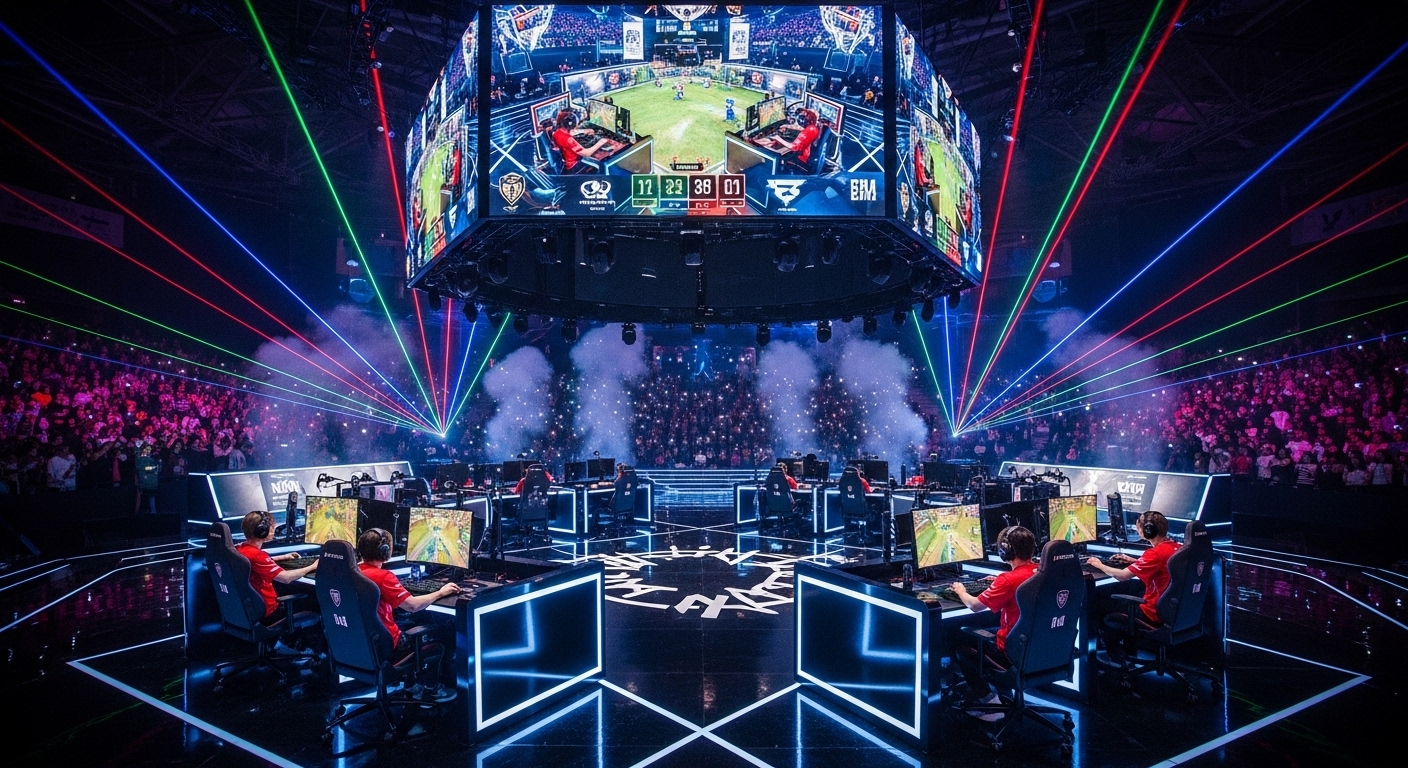
Over the past two decades, esports has evolved from a niche hobby into a billion-dollar industry that rivals traditional sports in popularity, viewership, and cultural impact. What was once limited to LAN parties and small tournaments is now played in packed stadiums and streamed to millions online. This transformation reflects the power of technology, community, and the universal love of competition.
What is Esports?
Esports, short for electronic sports, refers to organized competitive gaming at a professional level. It includes a wide range of video games such as real-time strategy, first-person shooters, battle royales, and sports simulations. Teams or individual players compete in tournaments for fame, sponsorships, and substantial prize pools. Unlike casual gaming, esports involves intense training, strategy, and teamwork, similar to traditional sports.
The Games That Made Esports
Several key titles have shaped the esports landscape. Games like League of Legends, Dota 2, Counter-Strike: Global Offensive, and Fortnite have built global communities and professional ecosystems. Each game has its own unique style, fanbase, and competitive format, but all share one thing: a dedicated player base that supports a thriving competitive scene.
Why Esports Matters Today
Esports matters because it connects millions of people around the world through shared passion and competition. It breaks geographical and language barriers, creating inclusive spaces for fans and players alike. Additionally, esports offers career opportunities not only for players but also for coaches, analysts, broadcasters, content creators, and event organizers. It has also opened doors for academic scholarships and school programs, highlighting its growing legitimacy.
The Business of Esports
Behind the flashy gameplay and highlight reels lies a serious business. Esports organizations secure sponsorships, media rights, merchandise deals, and advertising revenue. Major brands, from tech companies to beverage giants, invest heavily in esports to reach younger audiences. Streaming platforms like Twitch and YouTube have become crucial in delivering content, building communities, and generating revenue.
The Role of Technology in Esports Growth
Technology has been a driving force in esports development. High-speed internet, advanced gaming hardware, and global streaming platforms have made it possible for anyone to play, watch, and participate. Innovations in virtual reality, augmented reality, and mobile gaming continue to expand the possibilities of esports, bringing it to new audiences across the world.
Challenges Facing the Esports Industry
Despite its success, esports still faces challenges. Issues like player burnout, lack of regulation, unequal pay, and toxic behavior in online spaces need to be addressed. There is also a need for more structured player welfare systems, better support for women and marginalized communities, and stronger efforts toward ethical sponsorships and governance.
The Future of Esports
The future of esports is incredibly promising. With more schools, universities, and governments recognizing its potential, esports is becoming part of mainstream culture. Global events like The International and the League of Legends World Championship draw audiences that rival the Super Bowl. As technology continues to evolve, we can expect more immersive experiences, smarter training tools, and expanded global reach.
Conclusion: More Than Just Games
Esports is more than just people playing video games. It’s a cultural shift, a booming industry, and a global community. It represents the future of entertainment and competition, where skill, strategy, and passion come together in the digital arena. As esports continues to grow, it will not only change how we view games—it will redefine what it means to be an athlete in the 21st century.